bb Insights
As part of an interview with Swiss Post (DirectPoint), our Head of Procurement & Marketing Roman Hasler spoke about current developments, trends, opportunities, and no-gos in the promotional products market. The conversation, led by Marcel Suter, formed the basis for a mailing and an online report. Below is the unabridged original version, including the thoughts and insights that were shortened in the final published interview.
Many expect a clear, dominant trend. In my view, that does not exist. Instead, we are seeing multiple smaller developments happening at the same time. What is clear, however, is that companies want to present themselves in a more individual way, regardless of the specific product.
Promotional products are no longer just logo carriers, but deliberately chosen statements designed to leave a lasting impression.
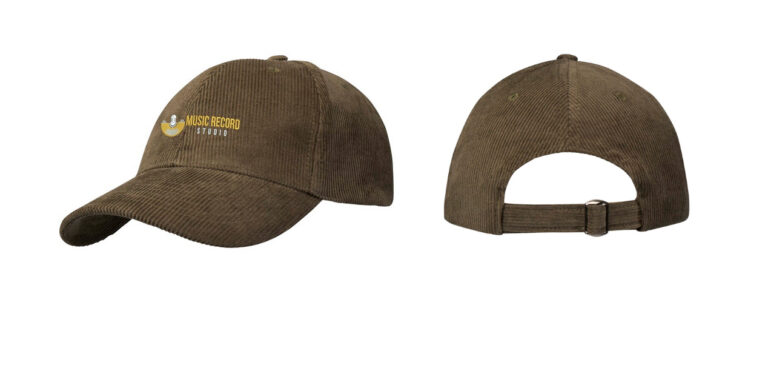
Creativity is not only about the product itself, but strongly driven by design and execution. A classic example is the well known 6 panel cap. It used to be a standard item, but today it can be turned into a true lifestyle product, for example through premium materials like corduroy or a modern retail inspired design.
I believe clients can expect more and should challenge their promotional product partners. In the end, it is about creating strong brand impact and asking yourself: would I personally be happy to receive this product?
Demand for branded products with clearly recognizable added value has increased significantly. Products whose value is known to the recipient have a completely different impact.
At the same time, something interesting is happening on the supplier side as well. Brands are increasingly opening up to the promotional products market because traditional retail is losing importance and new distribution channels are needed. Suppliers like us benefit from this.
A very important one. Promotional products have a key advantage over purely digital measures: physical touch. Being able to touch something physical activates memory more strongly. It is all about finding the right mix.
It is also interesting that trends from the B2C space often take around one year to reach the promotional products market. Marketing teams often lack the courage to adopt new ideas early.
The major hype slowed down somewhat during COVID, but the topic is still very present. Especially for companies with around 250 employees or more, sustainability is an important criterion.
Promotional product suppliers without relevant certifications such as ISO 14001 or EcoVadis will increasingly struggle. At the same time, we clearly see that the share of recycled materials is continuously increasing.
Nevertheless, price remains a decisive factor. In many cases, the more economically attractive offer still wins.
Swissness is and remains a central topic in Switzerland, with a slightly increasing trend in recent years.
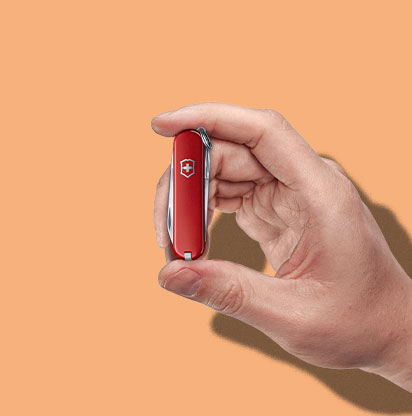
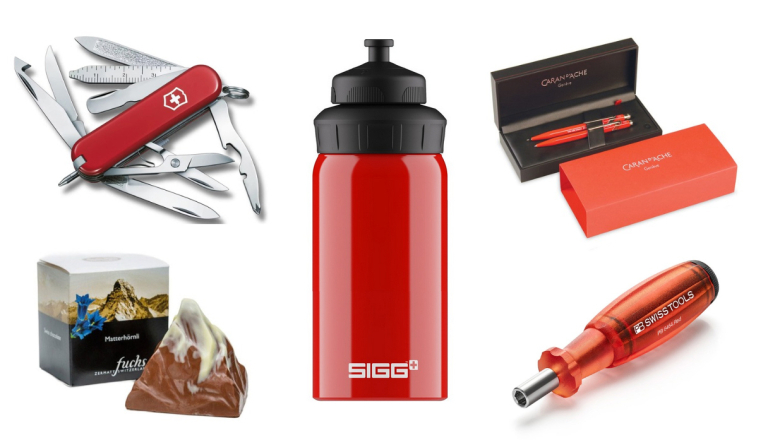
Classics like Caran d’Ache and Victorinox continue to be strong drivers.
At the same time, many underestimate the range of Swiss Made products, from food items to wooden products to high end fragrance solutions in the premium segment. This is where solid consulting really pays off.
Material trends come and go. Currently, corduroy and metallic looks are particularly in demand, especially for bags. At the same time, a lot is happening behind the scenes. Printing technologies are becoming more efficient, faster, and more cost effective. One example is DTF (Direct to Film). There are also developments in inks, such as low water or water free options with improved environmental performance.
Personalization with individual names was considered a megatrend a few years ago. In practice, however, it has hardly established itself in the promotional products sector.
The effort required in production and processing is often simply too high. Classic engraving has proven itself and remains simple, efficient, and effective.
These are less in demand. Promotional products need to be self explanatory. If a product becomes too complex, it quickly loses its impact.
Of course, there are individual projects in this direction, but in the broader market this is not a dominant theme.
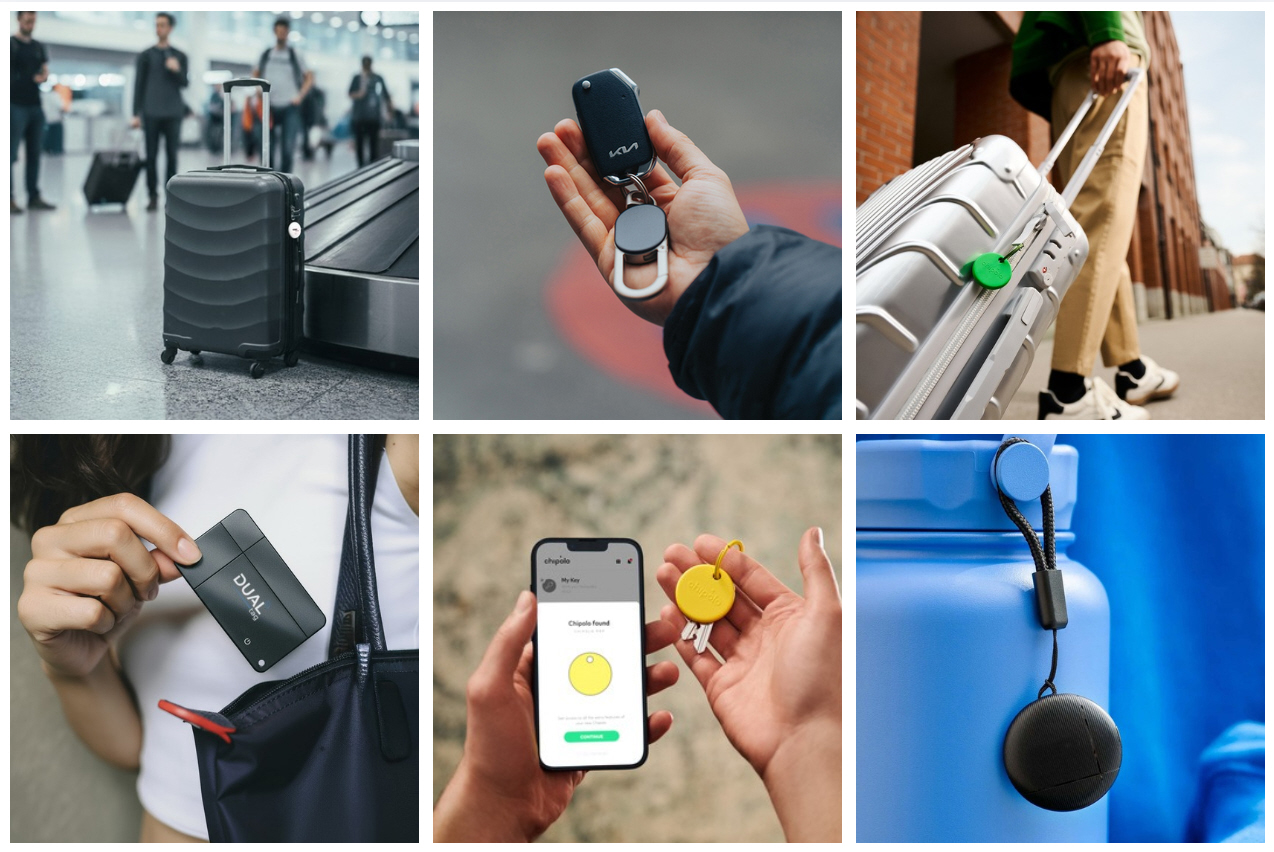
If I had to make a prediction: Dual Finder devices, meaning smart tracking gadgets similar to Apple AirTag, that work with both Apple and Android networks.
They can easily be integrated into keychains or bags and offer real everyday value. This combination of functionality, relevance, and daily use makes them highly effective promotional products that stay in use long term and sustainably strengthen brand presence.
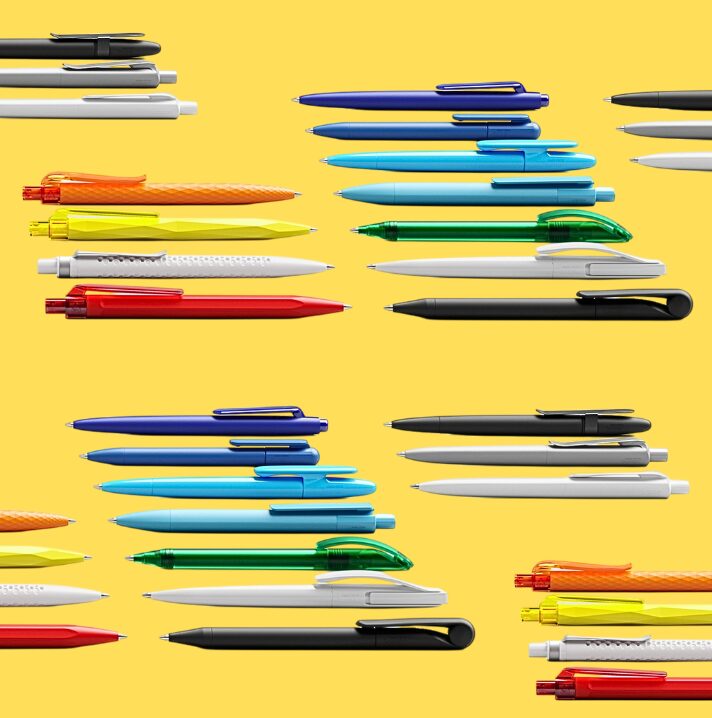
In short, items affected by digitalization. Traditional writing instruments are seeing lower demand, and USB drives, which were top sellers just a few years ago, are now often replaced by cloud solutions and are no longer desired for compliance reasons.
As mentioned earlier, price remains decisive, but delivery time is becoming increasingly important. Many projects are planned on very short notice, influenced by B2C behavior with fast delivery expectations. This has two downsides: higher costs and less room for creative, customized solutions.
This is of course subjective. But in my view, a clear mistake is simply handing out a cheap standard item just to have given something.
Less, but more targeted and with higher quality, is a much more sustainable approach when it comes to brand impact.